






 By Don A. Wright
The U.S. House of Representatives held a hearing in the Natural Resources Committee to discuss amongst other legislation House Resolution 1897 introduced March 6, 2025 by Committee Chair, Representative Bruce Westerman, R-Arkansas. Westerman is an
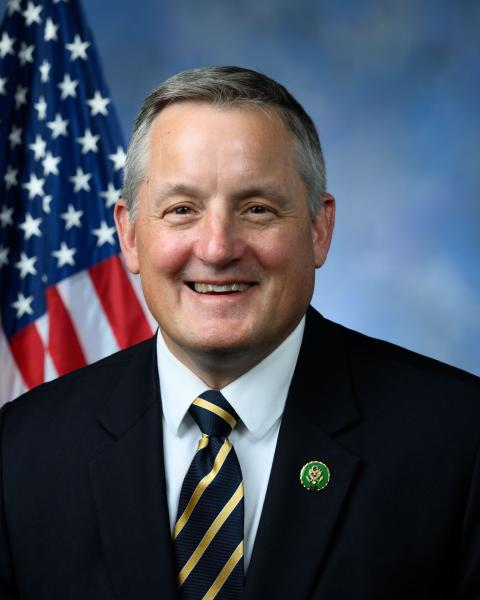
engineer and forester by trade. The bill lists its intent as, “To amend the Endangered Species Act of 1973 to optimize conservation through resource prioritization, incentivize wildlife conservation on private lands, provide for greater incentives to recover listed species, create greater transparency and accountability in recovering listed species, streamline the permitting process, eliminate barriers to conservation, and restore congressional intent.”
In addition to HR 1897, the committee also reviewed HR 4284 – Leger Fernandez “Small Cemetery Conveyance Act”, HR 5103 – McGuire “Make the District of Columbia Safe & Beautiful Act” and the HR 5910 – Hageman “Authorizing leases of up to 99-years for land held in trust for federally recognized Indian Tribes.”
What HR 1897 Hopes to Do
HR 1897 is an attempt to fix the broken Endangered Species Act in Seven Titles across 44 pages. We all know it needs fixing, but you’d have to have a better grasp of law than I to fully appreciate how to do so. As a barnyard lawyer it’s my observations this bill is a righteous exercise in rewriting portions of the ESA that have calcified.
Here’s a taste: “SEC. 402. Decisional transparency and use of State, Tribal, and local information.
Section 6(a) of the Endangered Species Act of 1973 (16 U.S.C. 1535(a)) is amended—
(1) by inserting “(1)” before the first sentence; and
(2) by striking “Such cooperation shall include” and inserting the following:
“(2) Such cooperation shall include—
“(A) before making a determination under section 4(a), providing to States affected by such determination all data that is the basis of the determination; and
“(B)”.”
It’s the little things. Or maybe not so little as you see how the Democrats on the Committee fought against changes to the ESA.
Opening Statements
Westerman said the ESA was a great idea, brought to life by bipartisan support in 1973. He said what started out to save the environment has devolved into a weapon to wrap up projects in red tape and costly legal challenges.
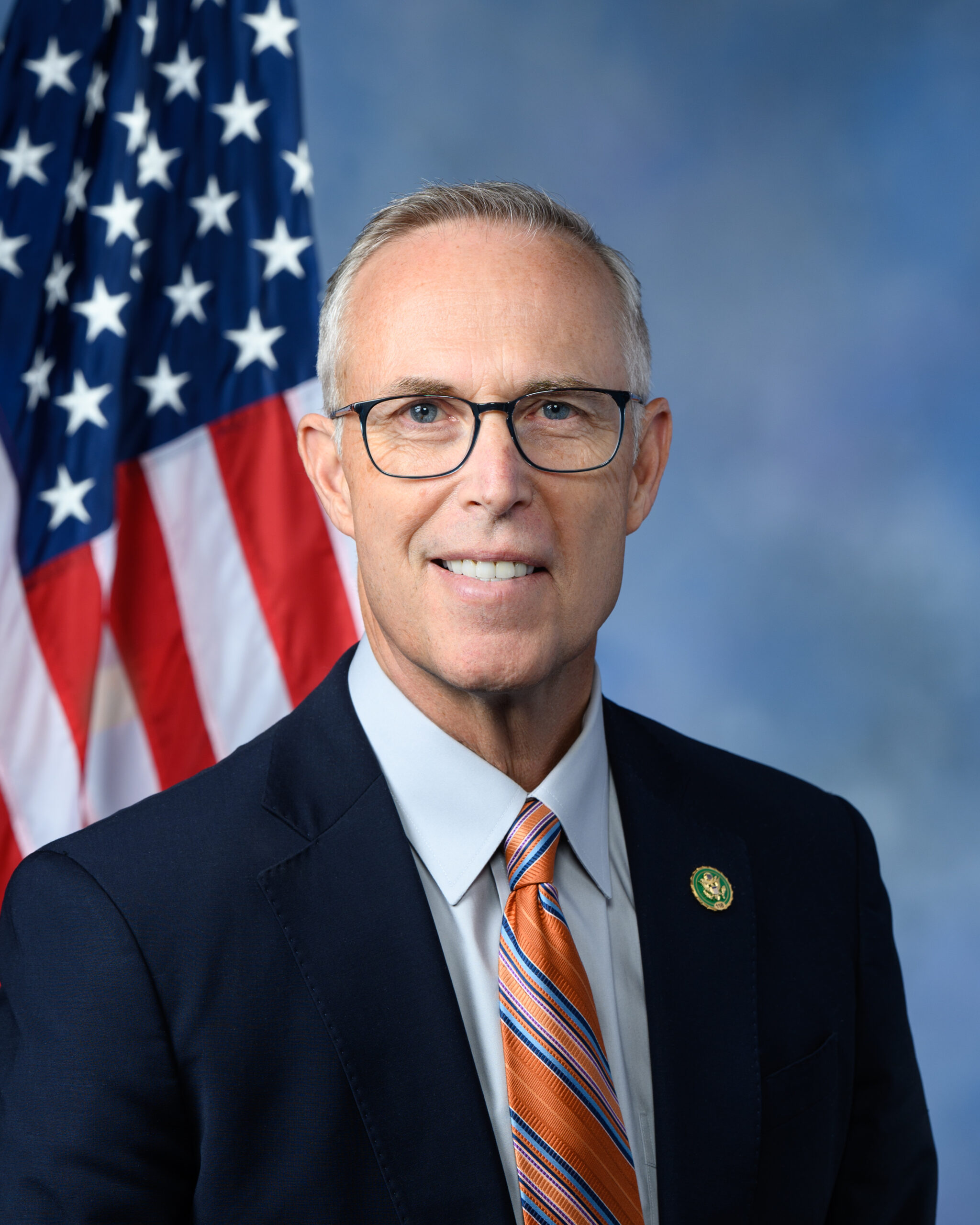
Ranking member Jared Huffman, D-California made an opening statement of steaming partisan bias – true political theater. He certainly has a right to spew his view but the condensation and far left talking points and outright untruths had nothing to do with political debate. It was a diatribe against President Donald Trump, everything from January 6th to the new ballroom at the White House. His conduct during the entire hearing was an example of why you don’t want to look at the creating of sausage and laws. Don’t forget Huffman used to be an attorney for the Natural Resources Defense Council, a Bay Area law firm specializing in suing under the ESA, like the San Joaquin River Restoration that has spent hundreds of millions of dollars to bring salmon spawning back to the base of the Friant Dam at a cost of (last time I checked) $12.5 million per fish.
I won’t stay on this sub-topic least I’m accused of Huffman Derangement Syndrome but. . . When you watch Louisiana Senator John Kennedy put forth debate you witness some wit and often an effort to understand with some compassion the opponent’s position. If you’ve watched Governor Gavin Newsom’s tweets you see him mimicking Trump. It’s a bit cringe in the same way Huffman’s debate style compares to Kennedy or that guy wandering around San Francisco yelling at inanimate objects.
The first item was HR 5103, the bill to help the District of Columbia. Westerman gave reasons for passing the bill and Huffman gave his reason to not pass the bill. A point of order was called on an amendment submitted by Huffman and before a vote the committee recessed to cast votes in the House.
After a length of time the committee picked up where it left off. Huffman offered another amendment to the D.C. bill. Westerman gave a rebuttal and the amendment was voted down. Next Huffman submitted an amendment against the new White House ballroom receiving private contributions. Westerman countered by saying donations shouldn’t be limited to the taxpayer.
The Bill
HR 1897 was next and Huffman was the first to speak saying this bill is deeply harmful to wildlife and if enacted it will ensure species will be endangered and any protection will be hollow. I swear I thought I heard him say the current ESA is functional.
Harriet Hageman R-Wyoming pointed out the Yellowstone grizzly bear’s range and population has been consistently expanding but the species remains on the endangered species list. Despite the documented proof of the grizzly’s recovery it remains on the endangered list.
Adelita Grijalva D-Arizona said, “This bill puts additional species in danger of being listed.” She said it increases danger to groundwater and streams. She sees this as Trump trying to bring more confusion to the ESA by reducing sound science-based decisions.
Westerman said at its best the ESA restores species – at its worse it throws delays to projects without any species protection. He said a prime example is the spotted owl. He said the spotted owl prefers private timberland in the Pacific Northwest. As a species it can no longer thrive on public land under the current ESA regulations.
Westerman pointed out this bill also includes guardrails on how much an attorney can collect fees in a calendar year.
Emily Randall D-Washington referred to how the tribal leaders are connected to the land with incredible environmental stewardship. She mentioned the recovery of bald eagles and salmon. She also talked about the ability to walk across the backs of salmon. Sounds familiar. She said the ESA is needed to provide an economic foundation.
Pete Stauber R-Minnesota said the grey wolf is now roaming onto elementary school grounds in Minnesota due to the broken ESA. US Fish and Wildlife under the administrations of both parties will not remove the grey wolf from the endangered list despite proof it is no longer under threat and expanding. As long as it’s on the list that wolf could not be disturbed until it attacks someone.
Melanie Stansbury D-New Mexico said the ESA is a bedrock environmental law. She did
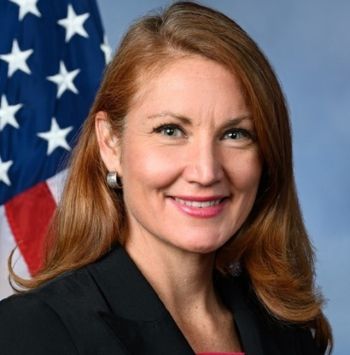
something you don’t hear much from a Democrat, she spoke of Richard Nixon in a good way for signing the ESA. She said changing the ESA is all about corporate greed and comes from Trump. She said something to the effect she opposed the Republicans efforts to trash the environment just before Christmas.
Hageman introduced an amendment to change the name of the ESA to the Endangered Species Recovery Act. She cited how the ESA is abused in order to control land and water and enviro NGOs make their money from this. She was of course, referring to the greedy corporate environmental law firm/organizations.
Huffman said the American people are struggling from crisis after crisis while the Republicans are busy renaming things, like the Gulf of America. He said it is an attempt by Trump to slap labels on things instead of delivering acts of substance. He said ask yourself if this bill will help recovery of species. (It sounded like if this bill passed and all the listed species that are no longer endangered are removed from the endangered list there could be a huge increase in species delisted and counted as recovered.)
Stauber said being placed on the ESA endangered list shouldn’t be a permanent designation.
Stansbury asked how, as mentioned in debate earlier, this bill could help address the housing crisis. She asked Hageman for examples and Hageman thanked her for asking the question.
Hageman said failed forest management and logging restrictions under the ESA has made the United States short of raw material. Stansbury said local zoning is driving the housing crisis. Great point. What’s causing the regulation to prohibit the construction of new housing? It isn’t pro-business regulation.
Stansbury when faced with reality dropped the “F” bomb on Hageman’s position. When called on this Stansbury refused to strike her words and walked out of the room. I felt a bit bad for this congresswoman. The language she used wasn’t something a lady with the responsibility of representing citizens in congress should devolve to, although it has become a badge of honor amongst some members of congress to use, umm naughty language in place of superior reasoning. Maybe don’t hang out with Jasmine Crocket so much or something. Poor thang came across as a mega Karen.*
Hageman asked Huffman to issue an apology from his side of the aisle. There was a very short recess and Stauber thanked Huffman for making a statement during the recess that Stansbury was out of order. Good for him. Evidently Huffman’s got a decent side too and was a much better example of being serious.
Paul Gosar R-Arizona remarked Stansbury’s action didn’t lead to any confidence that she understands how economics actually work.
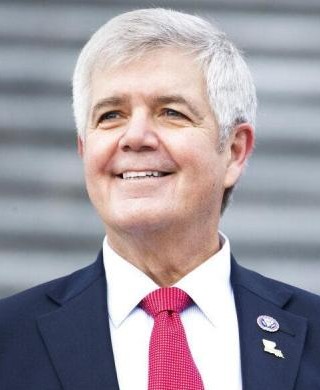
Cliff Bentz R-Oregon said what we call a piece of legislation is of importance. The word “recovery” should absolutely be a part of the ESA name. He said the spotted owl is right in his district and billions have been spent by the ESA and the population had to leave ESA covered lands. He said the ESA isn’t perfect, it isn’t the gold standard of legislation. It’s more than 50-years old and needs some updates.
A vote was taken and the Hageman amendment to include “Recovery” in the title of the ESA was passed.
Gosar had an amendment and he said there needs to be more transparency and expand experimental recovery plans. Huffman said the current ESA balances species with economic impacts. The regulatory service such as, I believe, Fish & Wildlife can bring economic considerations into its decision making process. Huffman said the Gosar amendment ties up the regulators with no benefit.
There was a voice vote but a roll call vote was requested on the Gosar amendment, so the vote was postponed.
Stauber had an amendment as well and it would bring into line coordination among all stakeholders including tribes and regulators.
Huffman said this amendment inappropriately inserts economic factors to be weighed when considering listing of a species. He called it a huge departure from how ESA was designed. He said economic factors are not to be considered under ESA listings. He said only the best available science is the only metric. The amendment was passed.
Huffman had another amendment too. He said a while back he joined with Westerman in a group to evaluate reauthoring the ESA that devolved into a wish list of business wants. He called the bill under consideration the same old stuff. He spoke that the progress made in the past 50-years in knowledge should be enough to keep the ESA as it is. He said we do need better permitting and funding. He added the majority of Americans supports the ESA and don’t want to see species go extinct. (Big diff between not wanting extinction and supporting the ESA.) Huffman’s amendment would gut HR 1897 and replace it with a Blue Ribbon Commission.
Hageman urged opposition to Huffman’s amendment. A voice vote was taken and Huffman asked for a roll call. So, that was put off for the time being.
Randall next told Stauber she did not vote against his amendment because it was bad but rather it didn’t go far enough. She put forth an amendment saying there needs to be more attention paid to the environmental stewardship since time immemorial provided by tribes. She said delisting needs to be science and not political based. She couldn’t conceive how any delisting could take place without direct face to face consultation with tribes, especially when it comes to salmon and steelhead. Huffman said he strongly supports this amendment because meaningful tribal consultation isn’t happening.
Bentz said he has been involved in the consultation sphere. He understands the desire to be included in the consultation space. But what does meaningful really mean. Without a better legal definition of the terms he can’t support this amendment. Hageman concurred with Bentz and asked to have many letters of support be placed into the record. I believe I heard her list the Pacific Coast Federation of Fishermen mention. Hmm?
Adam Grey D-California said the San Joaquin Valley produces four out of five bites of food in America. He said the federal government hasn’t made any significant investment in water for the Valley since the Kennedy administration in the 1960s. He said farmers in his district have been asking when will there be relief from over regulation. His amendment will exclude the nation’s food supply by farmers under the ESA.
Huffman said he appreciates the challenges faced by communities impacted by water supplies, especially in California but can’t support Grey’s amendment. But Huffman said there is already a “God Squad” in the ESA. The God Squad has been used twice and can allow a specie’s light to go out. He said this would create a situation where one exemption could kill all the fish. He said balancing environmental concerns with economic concerns is desirable but allowing extinction shouldn’t be a part of it.
Westerman said he supports Grey’s amendment. A voice vote passed the amendment.
Grijalva had an amendment and she said HR 1897 doesn’t include tribal governments enough. Her amendment would require meaningful tribal consultations. Huffman said tribes need more authority in listing and delisting species under ESA. This bill will be another backtrack by the Trump Administration. It must have more meaningful consultations with tribes.
Gosar said small towns haven’t had any meaningful consultations either and unless everyone can have meaningful consultation he can’t support this amendment. Westerman said the bill doesn’t lessen any tribal considerations. A voice vote rejected the amendment and roll call was requested.
There was a recess, again, and the room filled up. The machine voting took place and I believe even Stansbury reappeared. All the amendments requested to go to roll call were voted on without any changes. Most of the votes on amendments went by party line. On a few of the amendments Gray and Jared Golden D-Maine did vote with the Republican majority.
Overall, all the bills passed the committee. Specifically HR 1897 passed the committee and will move on to the House.
Author’s note: Our readership at WaterWrights.net has grown in the past couple of years and you may not know our quotation policy. I want to remind everyone we do follow the Associated Press Style Guide to a point. But please be aware we also allow some paraphrasing. We try to be as true to the meaning as we can. So, when it comes to quotes – quotes are only quotes when in quotation marks and attributed. If you have any questions, comments or corrections please get in touch with me.
Don A. Wright
DISCLAIMER OF RESPONSIBILITY; Waterwrights.net strives to provide its clients with the most complete, up-to-date, and accurate information available. Nevertheless, Waterwrights.net does not serve as a guarantor of the accuracy or completeness of the information provided, and specifically disclaims any and all responsibility for information that is not accurate, up-to-date, or complete. Waterwrights.net’s clients therefore rely on the accuracy, completeness and timeliness of information from Waterwrights.net entirely at their own risk. The opinions expressed in this report are those of the author and do not represent any advertisers or third parties.
ALL RIGHTS RESERVED. Copyright 2025 by WaterWrights.net
*Turns out the gentle lady from New Mexico had a bit of an outhouse mouth before this hearing. See and hear 4:33 or so into the video.
The House Committee on Natural Resources consists of 25 Republican and 20 Democrat members. Chairman Bruce Westerman R, Ark, Vice Chair Rob Wittman R, Virginia, Ranking member Jared Huffman D, California. Californians on the committee include: Doug LaMalfa R 1st District, Tom McClintock R 5th District. On the Dem side Adam Gray D 13th District, Julia Brownley D 26th District, Dave Min D 47th District and Luz Rivas D 29th District.