



Special to WaterWrights.net
Hello all. As we all come out of the Thanksgiving and Christmas food coma, WaterOne.ai is back with another collaboration with our friends at WaterWrights.net. Ryo Takanashi and Tomo Kumahira have been working hard to bring this latest report to life. For this piece, they have been distilling a massive amount of local data, using AI to analyze the content of over 100 water agency meetings to hunt for trends hidden in the minutes.
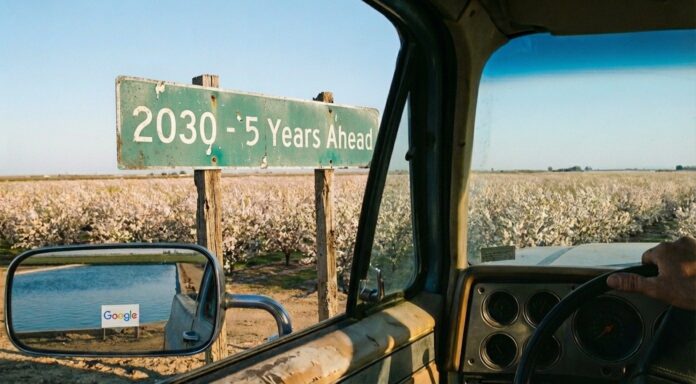
SGMA 2030: Stretching the Imagination
We all know SGMA is evolving rapidly. We are squarely in the implementation phase now, and the rules seem to shift with every new water year. While we maintain that Artificial Intelligence isn’t perfect – it is a tool, not a crystal ball – it is an excellent way to stretch one’s imagination. It allows us to step back from the daily grind of compliance and ask, “Where could this possibly go?”
The list below outlines ten “surprises” regarding the future of California water.
How to read this list:
We view these scenarios as “unlikely yet possible.” We are not suggesting you update your long-term management plans based on this list, nor should you expect these specific events to happen. Instead, this is an exercise in appreciating the evolving trends we are seeing in the data.
Some of these may seem far-fetched today, but sometimes it is healthy to look at the “what ifs.” Let’s take a look at what the machines—and the meetings—are suggesting to help us stretch our imagination.
SGMA Surprises: 10 Things That Would Be Surprising, But Could Happen by 2030
- Recharge Pond Naming Rights Go Mainstream: Corporations buy naming rights to recharge basins – “Google Groundwater Gardens,” “Bezos Basin” – giving GSAs new revenue to offset fees and fund outreach.
- Banks Accept Recharge Credits as Loan Collateral: A major lender recognizes groundwater recharge credits as collateral, launching the first ag-finance product backed by “water credit capital.”
- SGMA Certification Becomes Standard: “SGMA Literacy” becomes a required credential for ag consultants, with universities offering certificates and GSAs preferring SGMA-accredited advisors.
- Recharge Ponds Become Habitat Reserves: Policy shifts lead recharge ponds to be recast – and regulated – as wildlife habitat, turning them into dual-use hubs for water banking and biodiversity credits.
- Water Transfers Drop Over Golden Mussel Risks: A statewide golden mussel outbreak forces limits on inter-basin transfers, freezing parts of the water market to prevent further infestation.
- A GSA Declares Bankruptcy After Failed Prop 218s: A cash-strapped GSA loses multiple Prop 218 elections, exhausts reserves, and files bankruptcy; the local farm credit union steps in with bridge financing.
- Hidden Cross-Basin Pumping Scandal Emerges: A GSA uncovers unpermitted “hidden straws” moving groundwater across subbasins, triggering enforcement actions and litigation over monitoring failures.
- Wet Year Leads to Credit Over-Issuance: Following a record wet year, a GSA over-issues recharge credits, later discovering it authorized unsustainable pumping and must revoke credits.
- Small GSA Mergers Become Common: With GSPs completed, smaller GSAs consolidate to cut costs and reduce redundant administration.
- Groundwater Allocations Enter Family Law: Water allocations become formal assets in divorces, inheritances, and prenups—sometimes worth more than the land itself.

About WaterOne:
WaterOne is a Fresno-based water management firm serving Central Valley growers, founded by a team from Stanford that combines agricultural expertise with AI engineering. The team offers easy-to-adapt water management tools designed for SGMA. The company actively monitors GSA and irrigation district board meetings, maintaining a database of rule changes for each district while working directly with growers across the Central Valley. You can access their updates on major meetings at GSAs, Irrigation Districts, and State Board from their GSA Database from https://waterone.ai.
About the Team:
Ryo Takanashi is Co-Founder & Chief Product Officer at WaterOne. He brings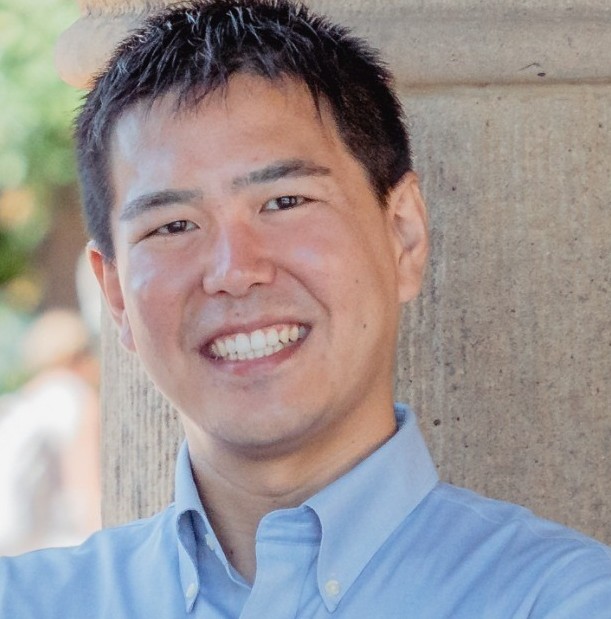 extensive expertise in commodity trading and agricultural engineering. As the youngest Chief Corn Trader for Japan’s largest commercial importer, Ryo managed 20% of the country’s corn imports while stationed in Kansas and Minneapolis. With an Urban Engineering background, he combines technical infrastructure knowledge with hands-on commodity market experience that required constant analysis of crop conditions, yield forecasts, and supply chain logistics. He holds MS-MBA from Stanford.
Tomo Kumahira is Co-Founder & CEO of WaterOne. Prior to starting WaterOne,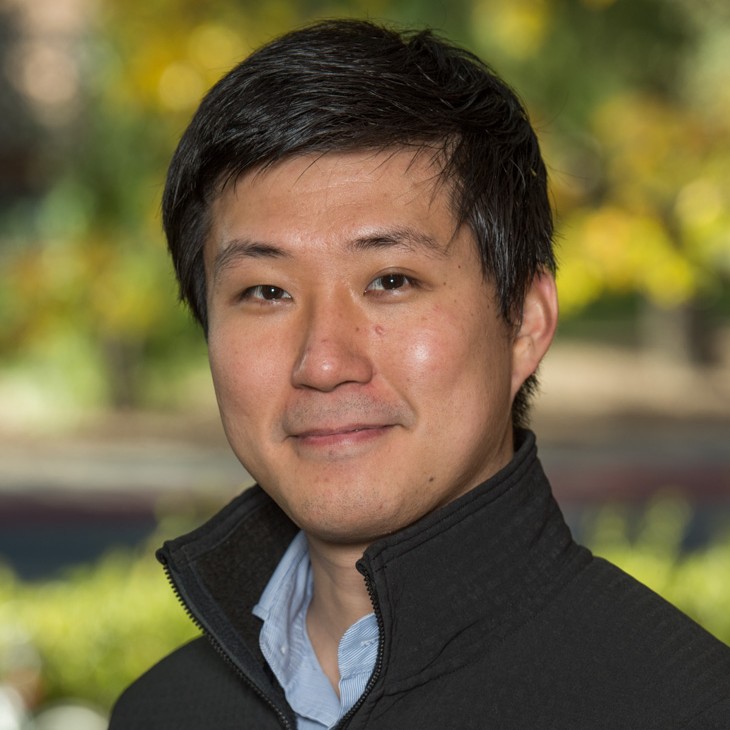 Tomo managed one of Africa’s largest agro-forestry operations as CFO, partnering with small-scale 30,000 farmers and covering 40% of commercial afforestation in Kenya. He began his career in natural resources investment at Mitsubishi Corporation. Tomo holds MS-MBA from Stanford (Knight-Hennessy Scholar and Rotary Global Scholar).
DISCLAIMER OF RESPONSIBILITY; Waterwrights.net strives to provide its clients with the most complete, up-to-date, and accurate information available. Nevertheless, Waterwrights.net does not serve as a guarantor of the accuracy or completeness of the information provided, and specifically disclaims any and all responsibility for information that is not accurate, up-to-date, or complete. Waterwrights.net’s clients therefore rely on the accuracy, completeness and timeliness of information from Waterwrights.net entirely at their own risk. The opinions expressed in this report are those of the author and do not represent any advertisers or third parties.
ALL RIGHTS RESERVED. Copyright 2025 by WaterWrights.net